Rising food costs have pushed nearly 70 million more people into extreme poverty
16 October 2011
gorta CEO criticises the obscene reality that price spikes are severely hurting the most vulnerable in Africa
At the gorta World Food Day conference in Dublin on Friday (14 October 2011), gorta CEO Brian Hanratty severely criticised the fact that soaring food prices and food price volatility are yet another factor affecting the world’s most vulnerable.
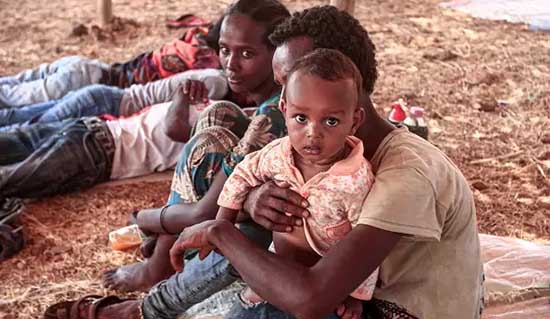
Entitled ‘Food Prices – from Crisis to Stability: Building the Resilience of Africa’s Farming Communities’, the development agency has condemned the stark reality that 70 million people have been pushed into extreme poverty between 2010 and 2011 as a result of price swings. Upswings in particular represent a major threat to food security in developing countries and the hardest-hit are the poor.
Pictured protesting on Dublin’s O’Connell St is Michael Ojiambo, Kenya Freedom from Hunger Council, Chipangile Musongole, Environment and Development in Zambia, Rose M. Ubwe, Selian Agricultural Research Institute, Tanzania, David Ojara Okot, Programme support officer, Gorta and Dr. Jessica Fanzo, Bioversity International.
Price increases and food price volatility are caused by a number of factors including weather variability and climate change, trade policies, increasing oil prices and the emergence of new financial investors. As well as this there is the trade-off between grains for food, feed and biofuels. Price increases can then mean a cut in household spending which in turn affects families’ nutrition levels as they turn to cheaper, less-nutritious food.
According to Brian Hanratty, gorta CEO, “This is an absolutely dreadful figure. The fact that food prices have caused 70 million people to be plunged into extreme poverty in the past year is simply inexcusable. Because African countries are significant net food importers, any increase in prices can result in a severe threat to their food security”.
Hanratty continued, “Irish businesses have a long, proud and successful track record and it is time to harness that knowledge, from the private sector, in order for us to be able to foster young businesses in Africa – giving them the opportunities that we have enjoyed in this country. We have many programmes in east Africa - currently funded by our individual donors - which help smallholder farmers move from subsistence to trade but more can, and must, be done.”
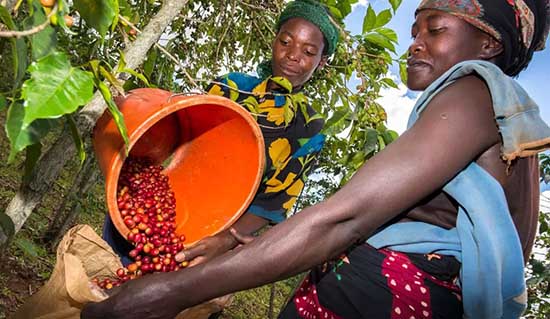
gorta recognises the important role that smallholder farmers play in sub-Saharan Africa as part of the solution to soaring food prices and price volatility. It is essential that the current focus on this issue leads to further investment in the agriculture sector, particularly focusing on new and improved technologies and by working with local partners to build their resilience to shocks, as part of a coping strategy.
Ms. Jan O’Sullivan T.D., Minister of State for Trade and Development outlined Ireland’s efforts to combat hunger, particularly through tackling poor people’s vulnerability to the effects of drought, conflict and high food prices. The Minister of State argued that we now have the knowledge and means to end the shocking reality of famine and hunger, and concluded by saying:
“Solutions are possible. They may not be quick or easy, but they are possible. With the continued work of Irish Aid, African governments and farmers, civil society organisations, and the generous support of the Irish people, we can make famine history.”
Speakers at the conference include David Hallam, Director of the Trade and Markets Division, Food and Agriculture Organization of the United Nations (FAO), Dr. Jessica Fanzo, Senior Scientist for Nutrition, Bioversity International and Michael Ojiambo, General Secretary, Kenya Freedom from Hunger Council. Further information is available at www.worldfoodday.ie